Reading Time
The 'N min read' shown on every demo and post here, computed at build time by eleventy-plugin-reading-time.
Live Implementation
This exact line is computed by the plugin, right now, from this page's own content:
2 min read — the same number shown next to this page's title above.
How It Works
Every “N min read” on this site — on demo cards, at the top of this page, under every blog post — comes from eleventy-plugin-reading-time. It registers a readingTime Nunjucks filter that counts words in the rendered content and divides by a words-per-minute estimate:
import pluginReadingTime from "eleventy-plugin-reading-time";

eleventyConfig.addPlugin(pluginReadingTime);
From there it’s just a filter, used the same way anywhere page content is available: {{ content | readingTime }} read.
The Hand-Rolled Alternative
This site didn’t always use the plugin. It started with a five-line filter doing the same basic job, no dependency at all:
export default function readingTime(content = "") {
    const text = String(content).replace(/<[^>]*>/g, " ");
    const words = text.split(/\s+/).filter(Boolean).length;
    const minutes = Math.max(1, Math.round(words / 200));
    return `${minutes} min read`;
}
Both versions do the same thing: strip HTML tags, count words, divide by a reading speed. The hand-rolled one is fully self-contained and format the output however you like. The plugin trades that for code someone else maintains, plus a couple of extra conveniences, like accepting a whole page object instead of just a content string. Neither is really “more correct” — for something this small, the choice mostly comes down to whether you’d rather own five lines or a dependency. This page now uses the plugin, so its “Important Files” section below points at real, reusable code instead of a snippet only this site would recognize.
Folder Structure
eleventy.config.js                          ← where the plugin gets registered
src/_includes/demo-live/reading-time.njk    ← this widget
Important Files
src/_includes/demo-live/reading-time.njk
<p>This exact line is computed by the plugin, right now, from this page's own content:</p>
<p class="reading-time-demo"><b>{{ content | readingTime }} read</b> — the same number shown next to this page's title above.</p>
Notes
- The plugin’s output format is
N min(no “read” suffix), so every template that uses the filter appends " read" itself, same as it did with the hand-rolled version. - Word-per-minute estimates are just that — estimates, not a measurement of how fast any real visitor reads. The hand-rolled version above assumed 200 words a minute; the plugin defaults to 300, which is why the numbers on this site shifted slightly when it switched over.
Related Demos

Custom Filters
How this site turns a file into a Nunjucks filter automatically, using a new real pluralize filter as…
Shortcodes
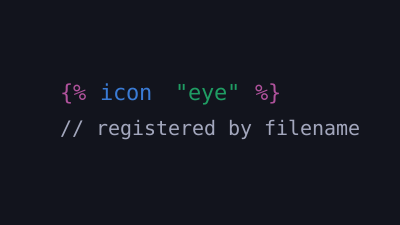
How a file becomes a Nunjucks shortcode on this site, using a real icon shortcode that replaced inline…

Multi-level Navigation
A recursive, front-matter-driven navigation tree using @11ty/eleventy-navigation — no hand-maintained nav array.